High-Impact Trajectory for 667955911, 27791360, 9512531268, 948360804, 919440139, 982384997

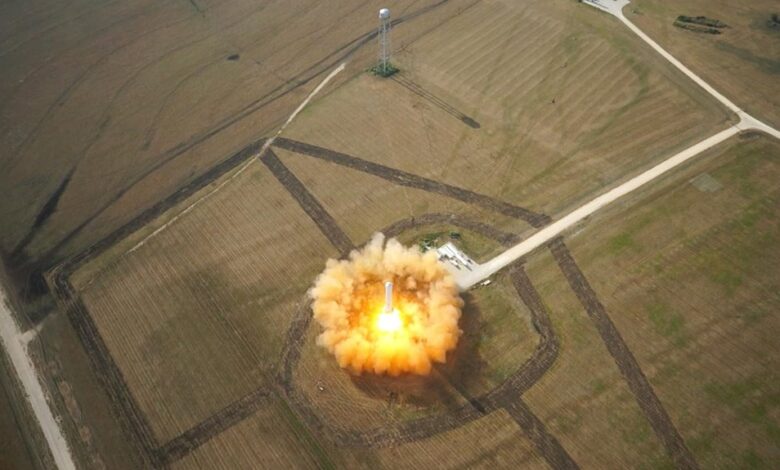
The high-impact trajectories of NEOs 667955911, 27791360, 9512531268, 948360804, 919440139, and 982384997 warrant rigorous examination. Each object exhibits distinct characteristics that influence its potential threat to Earth. Understanding their size, composition, and orbital dynamics is essential for risk assessment. As monitoring efforts advance, the need for tailored mitigation strategies becomes increasingly apparent. The implications of these findings could reshape our response protocols to potential cosmic hazards.
Overview of Near-Earth Objects
Near-Earth objects (NEOs) encompass a diverse group of celestial bodies, including asteroids and comets, that have orbits bringing them close to Earth.
The study of NEOs involves understanding asteroid composition, which varies significantly, influencing their potential impact on Earth.
Additionally, orbital dynamics play a crucial role in predicting their trajectories, providing critical insights into potential hazards and the freedom to explore mitigation strategies.


Detailed Analysis of Each NEO
A comprehensive examination of each NEO reveals a spectrum of characteristics that significantly influence their potential interactions with Earth.
These neo characteristics, including size, composition, and surface features, are pivotal in assessing risk.
Moreover, their distinct orbital patterns dictate their proximity and trajectory relative to Earth, necessitating meticulous analysis to understand the implications of their paths and the potential for high-impact encounters.
Monitoring and Tracking Efforts
Effective monitoring and tracking of near-Earth objects (NEOs) is essential for assessing their potential threat to Earth.
Utilizing advanced observation techniques, researchers enhance data collection processes, enabling precise tracking of NEO trajectories. This systematic approach ensures timely identification of potential hazards, fostering informed decision-making.
Continuous advancements in technology further improve the accuracy and efficiency of monitoring efforts, ultimately contributing to global safety initiatives.
Potential Impact and Mitigation Strategies
The potential impact of near-Earth objects (NEOs) on Earth poses significant risks that warrant thorough examination and proactive mitigation strategies.
Effective collision prevention necessitates comprehensive risk assessment frameworks, identifying potential threats and establishing timely response protocols.
Conclusion
As the trajectories of NEOs 667955911, 27791360, 9512531268, 948360804, 919440139, and 982384997 unfold, the stakes remain alarmingly high. Each object, with its unique characteristics, poses a distinct threat that demands vigilant monitoring and strategic preparedness. With every passing moment, the potential for a catastrophic encounter looms ever closer, urging scientists and policymakers alike to refine their mitigation strategies. The question remains: will humanity be ready when the time comes to confront these celestial harbingers?