Browse Registry Lookup Archives for 3394554732, 3882405663, 3393511170, 3289692828, 3494697739

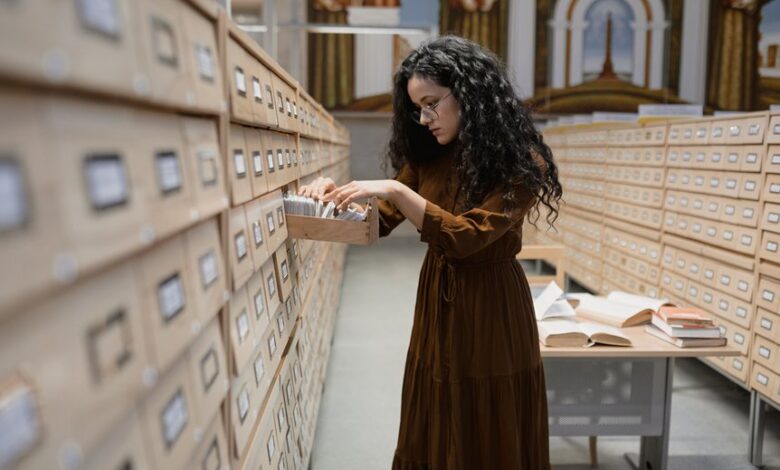
Browse Registry Lookup Archives for numbers 3394554732, 3882405663, 3393511170, 3289692828, and 3494697739 function as methodical logs of inquiries and responses. The archivist’s lens emphasizes provenance, exact queries, and custodial notes. Entries should be interpreted for authenticity and reproducibility, with attention to metadata and transformations. This framing guides use cases and practical applications, while provoking questions about origin and custody that remain unresolved until further examination.
What Is Browse Registry Lookup Archives and Why It Matters
Browse Registry Lookup Archives are systematic repositories that collect and preserve records of registry inquiries and responses related to domain, device, or identifier lookups. They function as neutral logs, enabling scrutiny and accountability. Browse registries support transparency, while Archive provenance clarifies origin and custody. The archives enable informed decisions, reproducibility, and freedom through verifiable history, ensuring integrity without dictating interpretation.
How to Search for 3394554732, 3882405663, 3393511170, 3289692828, 3494697739
To locate records associated with the identifiers 3394554732, 3882405663, 3393511170, 3289692828, and 3494697739, the search procedure begins by isolating the registry type and scope, then applying exact or pattern-based queries as appropriate. The method emphasizes Use Cases and Provenance Tracking, documenting results with disciplined accuracy, reproducible steps, and clear archival rationale for future freedom-driven inquiry.
Interpreting Metadata and Provenance of Registry Entries
Metadata and provenance form the backbone of registry entries, providing the contextual signals that establish authenticity, lineage, and reliability.


The interpretation context frames how records are understood within collection practices, while provenance lineage traces origin, custody, and transformations over time.
Analysts assess metadata schemas, timestamps, and custodial notes to determine trust, provenance stability, and archival integrity for each entry.
Verifying Use Cases and Practical Tips for Archival Research
Effective archival research hinges on clearly defined use cases and disciplined verification methods, ensuring that each inquiry aligns with documentary scope, provenance, and custody considerations. The practice emphasizes archive protocols and data integrity, guiding researchers to document provenance issues, apply archival ethics, and assess sources critically. Methodical verification reduces ambiguity, clarifies provenance chains, and sustains credible, freedom-oriented inquiry within archival systems.
Conclusion
In sum, browse registry lookup archives document inquiries, document responses, document provenance, document custodianship. They organize exact queries, organize pattern-based queries, organize metadata, organize transformations. They enable authenticity, enable reproducibility, enable transparency, enable disciplined inquiry. They preserve provenance, preserve custody notes, preserve archival integrity. They guide interpretation, guide use-case framing, guide verification, guide practical research. They support informed decisions, support robust data integrity, support meticulous archival practice, support future investigations, support credible scholarly work.