Introduction to Ciclismo
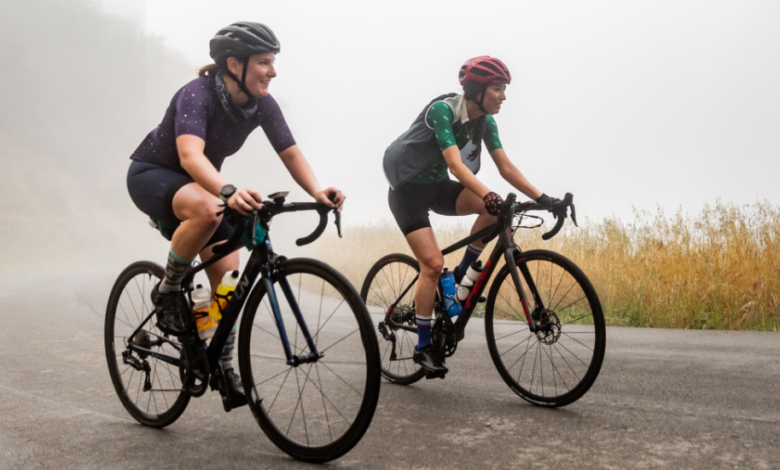
Ciclismo refers to the practice, sport, and culture of cycling, encompassing both competitive racing and recreational riding. Over the years, cycling has grown beyond transportation and leisure to become a structured sport, a fitness routine, and a sustainable lifestyle choice. From urban commuters to elite athletes, millions of people worldwide embrace cycling for its accessibility and wide-ranging benefits.
Unlike many sports, cycling suits people of all ages and fitness levels. Whether practiced on roads, tracks, mountains, or city streets, it promotes physical health, mental clarity, and environmental responsibility.
The Historical Evolution of Cycling
Cycling began in the early 19th century with simple two-wheeled inventions made of wood. As engineering advanced, pedals, chains, rubber tires, and lightweight metals transformed bicycles into efficient machines. By the late 1800s, organized races emerged in Europe, laying the foundation for professional cycling.
Iconic competitions such as the Tour de France elevated cycling into an internationally recognized sport. Over time, cycling expanded into multiple disciplines, each with its own rules, equipment, and fan base.


See also: Home Loans with an Overdraft Facility: What You Need to Know
What Makes Ciclismo a Global Phenomenon
The universal appeal of cycling lies in its simplicity and adaptability. It requires minimal infrastructure compared to many sports, making it accessible in both developed and developing countries. Governments promote cycling to reduce pollution, ease traffic congestion, and improve public health.
Cycling culture also builds strong communities, encouraging social interaction, teamwork, and shared goals. This combination of physical, social, and environmental value has made cycling a worldwide movement.
Main Types of Competitive and Recreational Cycling
Road Cycling
Road cycling focuses on speed, endurance, and strategy on paved roads. It includes individual time trials and long-distance races.
Track Cycling
Conducted on oval tracks, this discipline emphasizes explosive power and precise tactics. Races are fast-paced and highly technical.
Mountain Cycling
Mountain cycling involves riding on rough terrains such as trails, hills, and forests. It demands strength, balance, and technical skill.
BMX Cycling
BMX features short races on dirt tracks with jumps and obstacles. It requires agility, quick reflexes, and courage.
Touring and Leisure Cycling
This form prioritizes enjoyment and exploration, often involving long journeys across regions or countries.
Essential Equipment for Cyclists
Key equipment includes a well-fitted bicycle, helmet, cycling shoes, gloves, and breathable clothing. Modern gear focuses on comfort, safety, and efficiency. Maintenance tools and hydration systems are also essential for longer rides.
Physical Health Benefits of Cycling
Cycling strengthens the cardiovascular system, improves muscle tone, and enhances joint mobility. Regular riding helps manage weight, lowers blood pressure, and reduces the risk of chronic diseases. It is a low-impact activity, making it ideal for injury prevention and rehabilitation.
Mental and Emotional Advantages
Beyond physical fitness, cycling improves mental health. It reduces stress, boosts mood, and increases focus. Outdoor riding, in particular, promotes mindfulness and emotional well-being by connecting riders with nature.
Environmental and Social Impact
Cycling is an eco-friendly mode of transportation that reduces carbon emissions and noise pollution. It supports sustainable cities and encourages healthier communities. According to the World Health Organization, promoting cycling can significantly reduce urban pollution and improve public health (https://www.who.int).
Training Principles and Techniques
Effective training combines endurance rides, interval sessions, strength training, and recovery days. Consistency and gradual progression are essential. Monitoring performance through heart rate and cadence improves results while reducing injury risk.
Nutrition and Hydration for Cyclists
Balanced nutrition fuels performance. Carbohydrates provide energy, proteins aid muscle recovery, and healthy fats support endurance. Hydration before, during, and after rides is crucial to maintain performance and prevent fatigue.
Safety Rules and Best Practices
Wearing protective gear, following traffic laws, using lights, and staying visible are critical for safety. Proper bike maintenance and awareness of surroundings further reduce accident risks.
Technology and Innovation in Cycling
Advancements such as carbon fiber frames, electronic shifting, GPS tracking, and performance analytics have revolutionized cycling. These innovations enhance efficiency, comfort, and training accuracy.
Professional Cycling Events Worldwide
International events like multi-stage tours, championships, and Olympic competitions showcase elite athletes and inspire millions. These events also boost tourism and local economies.
How Beginners Can Get Started
New cyclists should start with comfortable equipment, short rides, and basic training plans. Joining local cycling groups helps build confidence and motivation.
Common Mistakes to Avoid
Overtraining, poor bike fit, neglecting recovery, and improper nutrition are common errors. Addressing these early ensures long-term progress and enjoyment.
Frequently Asked Questions (FAQs)
1. Is cycling suitable for all ages?
Yes, cycling can be adapted to suit children, adults, and seniors.
2. How often should someone cycle each week?
Three to five sessions per week are ideal for general fitness.
3. Can cycling help with weight loss?
Yes, regular cycling burns calories and improves metabolism.
4. Is cycling safer than running?
Cycling is lower impact on joints, reducing injury risk.
5. Do I need expensive equipment to start?
No, beginners can start with basic gear and upgrade later.
6. Is ciclismo only a sport?
No, ciclismo also represents a lifestyle, transportation method, and fitness practice.
Conclusion
Cycling remains one of the most versatile and rewarding activities worldwide. Whether practiced competitively or recreationally, it promotes health, sustainability, and community connection. As interest continues to grow, ciclismo stands as a symbol of movement, freedom, and well-being for people everywhere.